
THE BEGINNING OF ICT4COP
EC Horizon 2020 ICT4COP Project
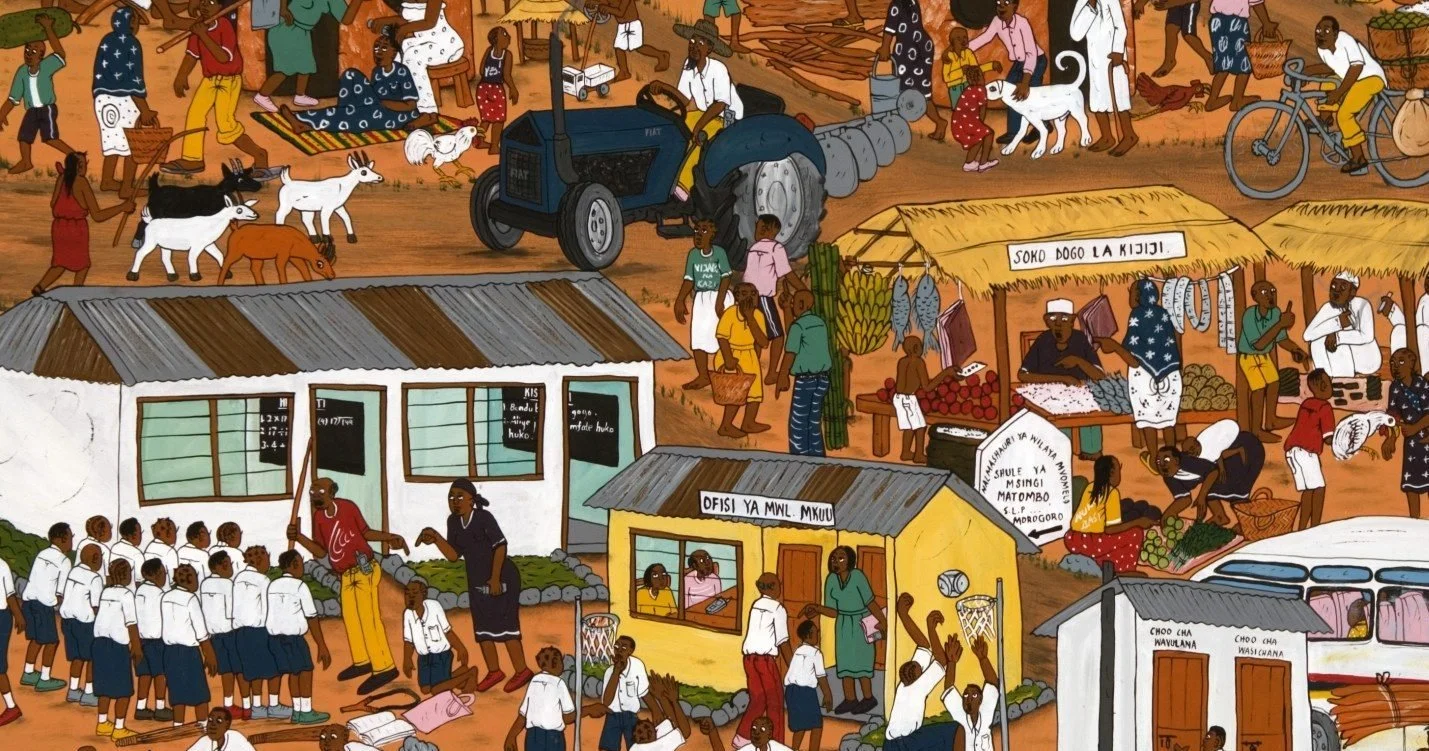
The ICT4COP project (2015–2020) was a major research initiative funded by the European Union’s Horizon 2020 programme. Led by the Norwegian University of Life Sciences (NMBU), the project brought together researchers, practitioners, and institutions from around the world to explore how community-based policing (COP) can contribute to rebuilding trust, improving security, and supporting sustainable peace in post-conflict contexts.
At its core, ICT4COP responded to the failure of conventional, top-down police reform efforts, which often overlook the importance of community trust, local knowledge, and inclusive approaches to safety. The project focused on how police forces can work collaboratively with communities to address insecurity, strengthen legitimacy, and promote human rights in fragile and conflict-affected environments.
ICT4COP aimed to promote long-term human security by supporting the development of inclusive and accountable policing systems in societies recovering from conflict. The project focused on strengthening the capacity of police forces to engage with local populations in ways that build mutual trust and cooperation. A key goal was to move beyond state-centric approaches to reform, and instead center the voices and needs of communities, especially those often marginalized in security decision-making, such as women and youth.
The project also explored how information and communication technologies (ICTs) could support community-oriented policing by enhancing transparency, improving communication, and enabling more effective data collection and analysis. Through a combination of fieldwork, interdisciplinary research, and policy engagement, ICT4COP generated evidence-based insights and practical guidance for international actors, police institutions, and civil society organizations working in post-conflict settings.
The ICT4COP project conducted research in eleven countries across four global regions: Latin America, South-Eastern Europe, Africa, and South Asia. These diverse case studies allowed researchers to examine how COP principles are applied—or could be applied—in a variety of local contexts, each with its own unique political, cultural, and institutional dynamics.
Research was organized into eleven interconnected work packages, each exploring key areas such as institutional police reform, grassroots community engagement, education and training, and the integration of ICT tools. This global scope ensured that the findings were not only grounded in real-world challenges but also relevant across a wide range of settings where post-conflict recovery and security reform are urgently needed.
ICT4COP brought together an interdisciplinary team of experts across fields such as criminology, sociology, political science, informatics, peace and conflict studies, and development. Their work was centered around several crosscutting themes crucial to the implementation and success of community-oriented policing.
Gender was a key area of focus, with the project examining both the role of women in policing institutions and the gendered impacts of police practices on local communities. Youth engagement was also a major theme, recognizing the importance of young people as both contributors to and beneficiaries of safer, more inclusive communities. The project explored how ICTs could be leveraged to improve information flow, enhance transparency, and create platforms for more participatory policing.
Another central area of research was police education and training, with an emphasis on embedding COP values into institutional curricula and everyday police practice. Together, these themes formed a comprehensive framework for understanding how police-community relationships can be strengthened to support lasting peace and security.
The ICT4COP project laid a strong foundation for continued work in the field of community-based policing. Its findings, tools, and recommendations continue to inform the work of the ICT4COP Center, which now serves as a hub for research, teaching, and collaboration on issues related to post-conflict police reform and human security.