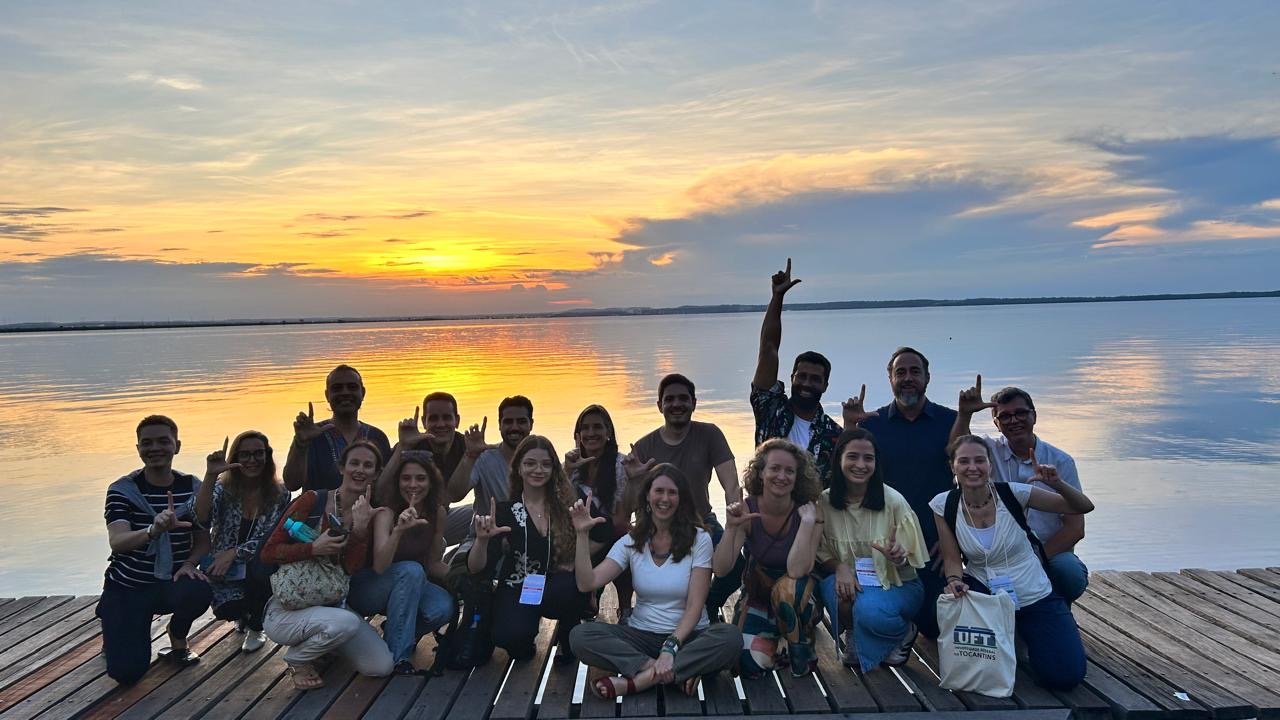
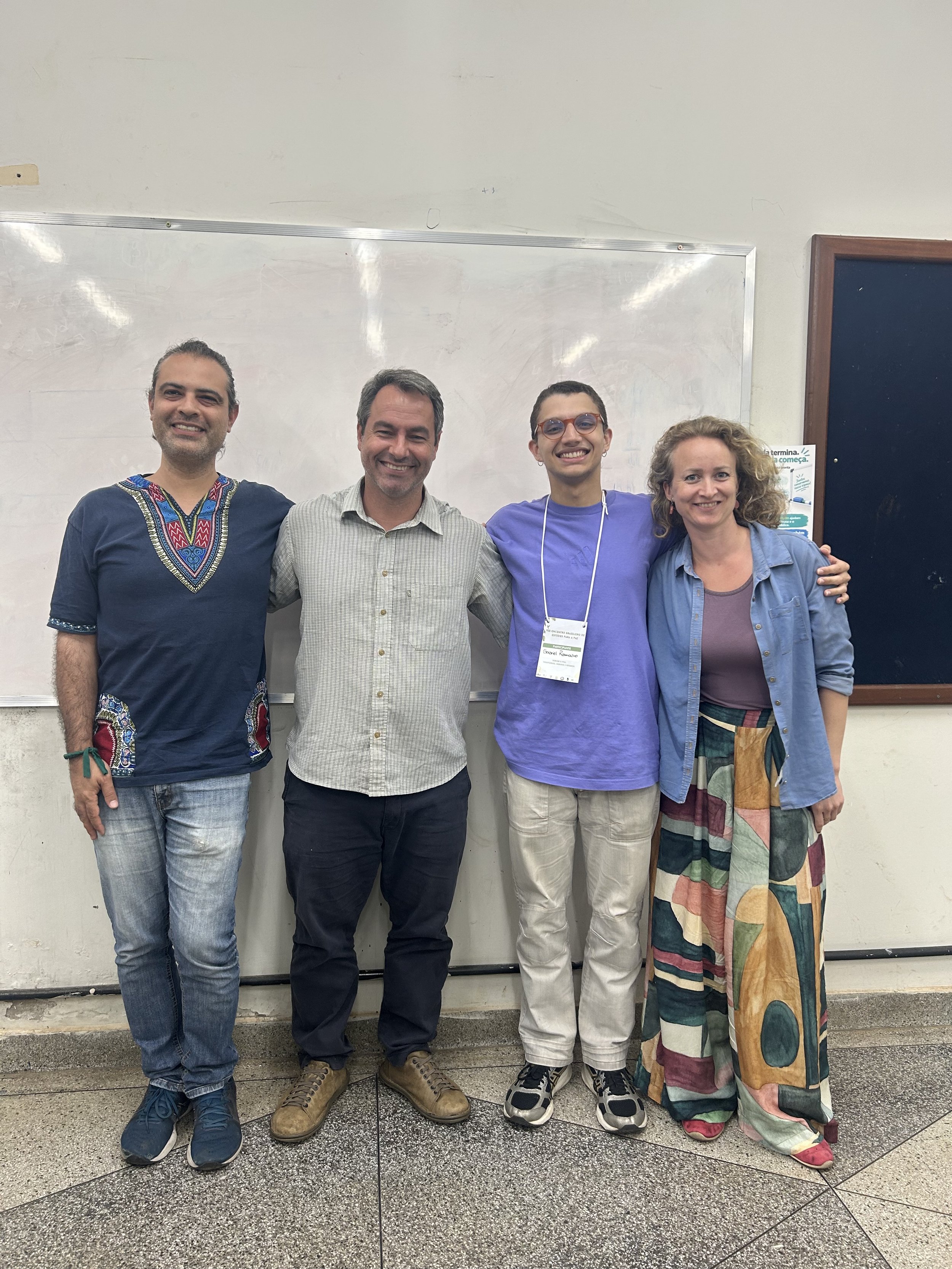
MSCA Postdoctoral Fellow Ingri Bøe Buer Presents Research on Peace Formation and Community Security in Brazil.
Our MSCA Postdoctoral Fellow Ingri Bøe Buer participated last week in the annual Brazilian peace conference VIII Encontro Brasileiro de Estudos para a Paz, in Palmas, Tocantins, Brazil.
There, she presented three works and participated as discussant at the panel "Conflict transformation, reconciliation and care".
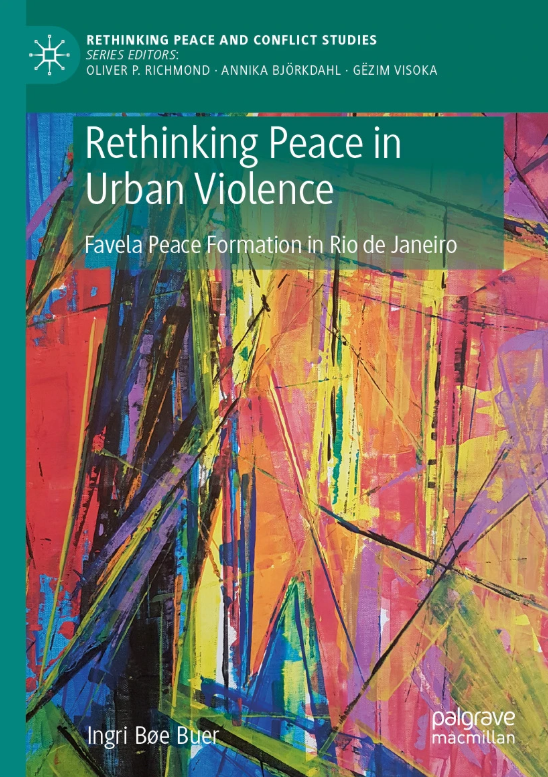
Ingri launched her new book with Palgrave MacMillan: Rethinking Peace in Urban Violence: Favela Peace Formation in Rio de Janeiro, which asks what peace means when the state wages war against part of its own population in the war on drugs, and presents favela peace formation as a concept to describe communal, bottom-up peace practices.
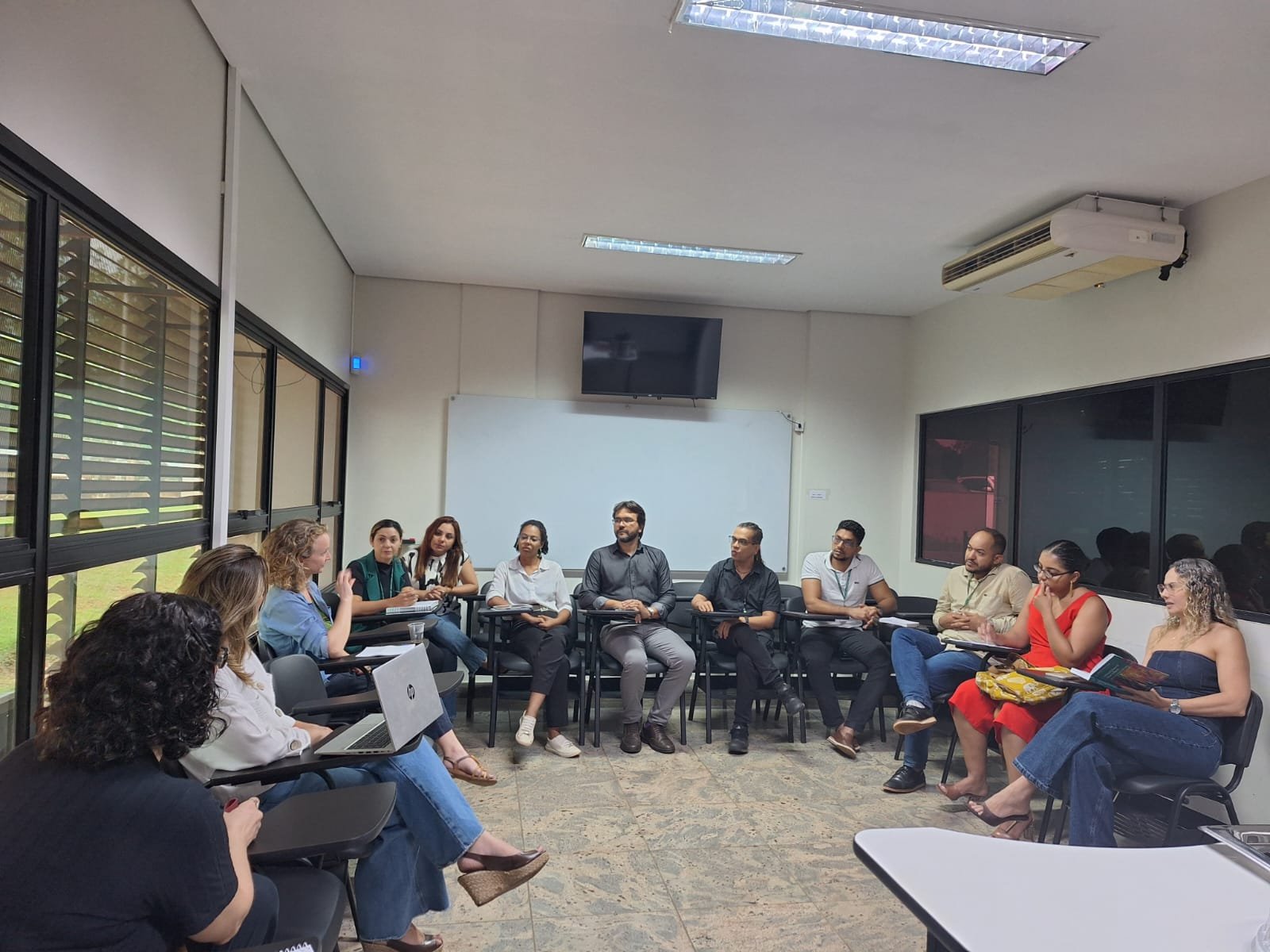
Finally, she presented a draft article based on her first year of fieldwork, "Non-violent community alternatives to (public) security in the favelas in Rio de Janeiro", where she, based on semi-structured interviews with human rights defenders and community leaders in the favelas, presents three forms of community alternatives in contexts of hyperviolent and militarized police operations: avoidance/navigation and warning systems; community responses, documentation of violations and care for victims and their families; and resignification of security/ construction of life politics. Based on interviews conducted after the Penha and Alemão massacre in October 2025, preliminary findings indicate a state of survival and reassessment among human rights defenders, very low levels of trust in the police.
and political leaders, and little expectation of improvement. In this context, community initiatives constitute essential points of reference for rethinking public security policies and safeguarding the lives and futures of children and young people in the favelas.
Beyond presenting these works, Ingri also had the chance to visit the Specialized Unit for the Defense of Human Rights (NDDH), at the Office of the Public Defender of the State of Tocantins, where she presented and participated in a conversation on police lethality and the possibilities for reform/violence reduction. Overall, it was a week filled with valuable knowledge exchange and new friendships and connections!
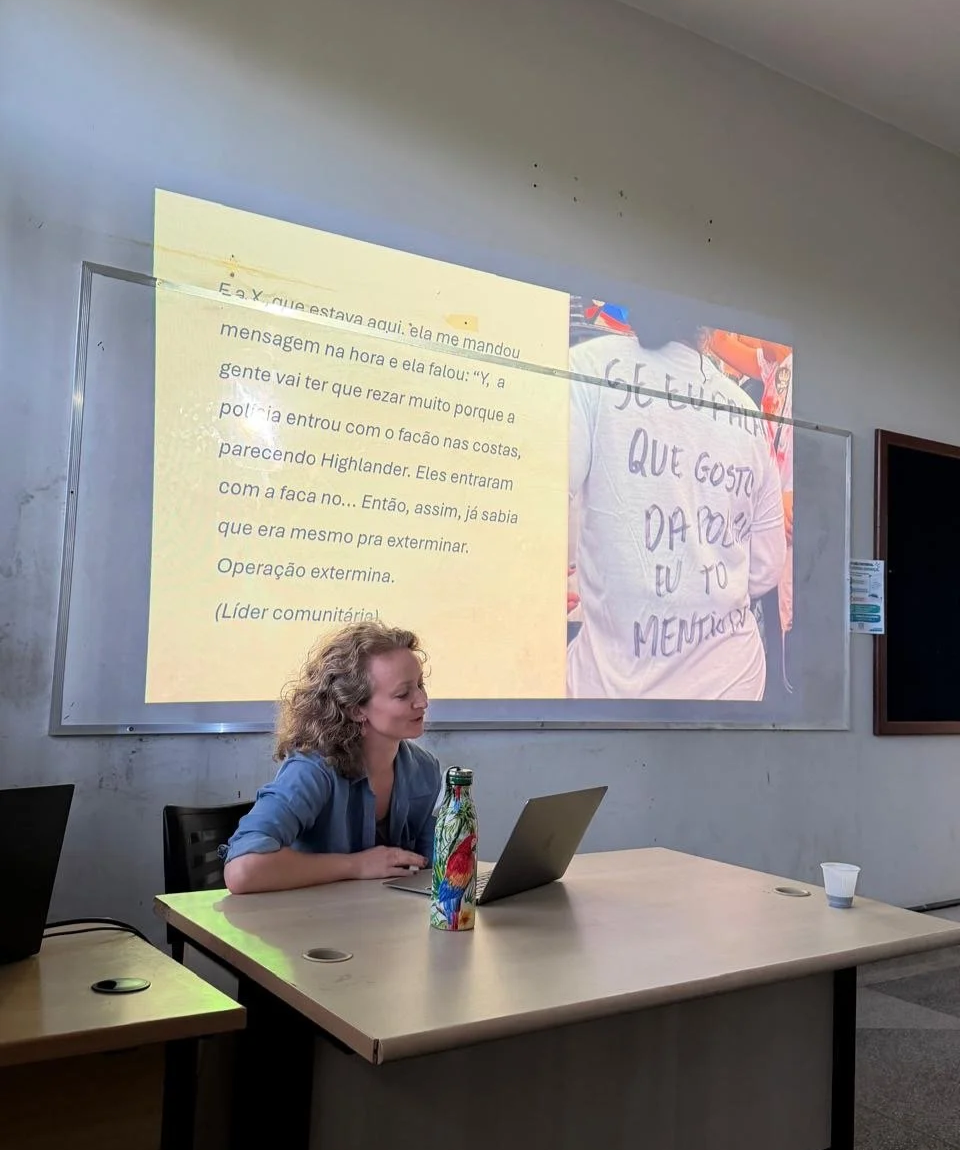
She presented the draft chapter "The struggle for abolition may build a peace not yet lived:
Perspectives from Rio de Janeiro", co-written with Gisele Florentino and Fransérgio Goulart as a part of the forthcoming volume To End All Wars: Abolition as the Practice of Peace (eds Mahdis Azarmandi and Garrett FitzGerald). The chapter is based on focus group interviews with favela residents, human rights defenders and youth on their perspectives surrounding police operations, state presence, what freedom means, and their dreams for themselves and their community. In the context of acute and overwhelming state violence in the favelas in Rio de Janeiro, the chapter then explores the connections between abolition and favela peace formation as constructions of nonviolent and emancipatory politics focusing on care rather than violent domination.