

Afghanistan
ICT4COP in Afghanistan
The Afghanistan research explored how police reform could become more responsive to local security needs, while accounting for conflict, institutional weaknesses, insecurity and the challenges of building public trust.
Key points:
-
Researchers examined the history of conflict, security-sector reform and efforts to transition policing towards a more civilian and community-oriented service.
-
The team interviewed police officials, government representatives, international donor organizations, NGOs and civil-society actors. Fieldwork included Kabul and research at provincial and district levels, including Nimroz Province.
-
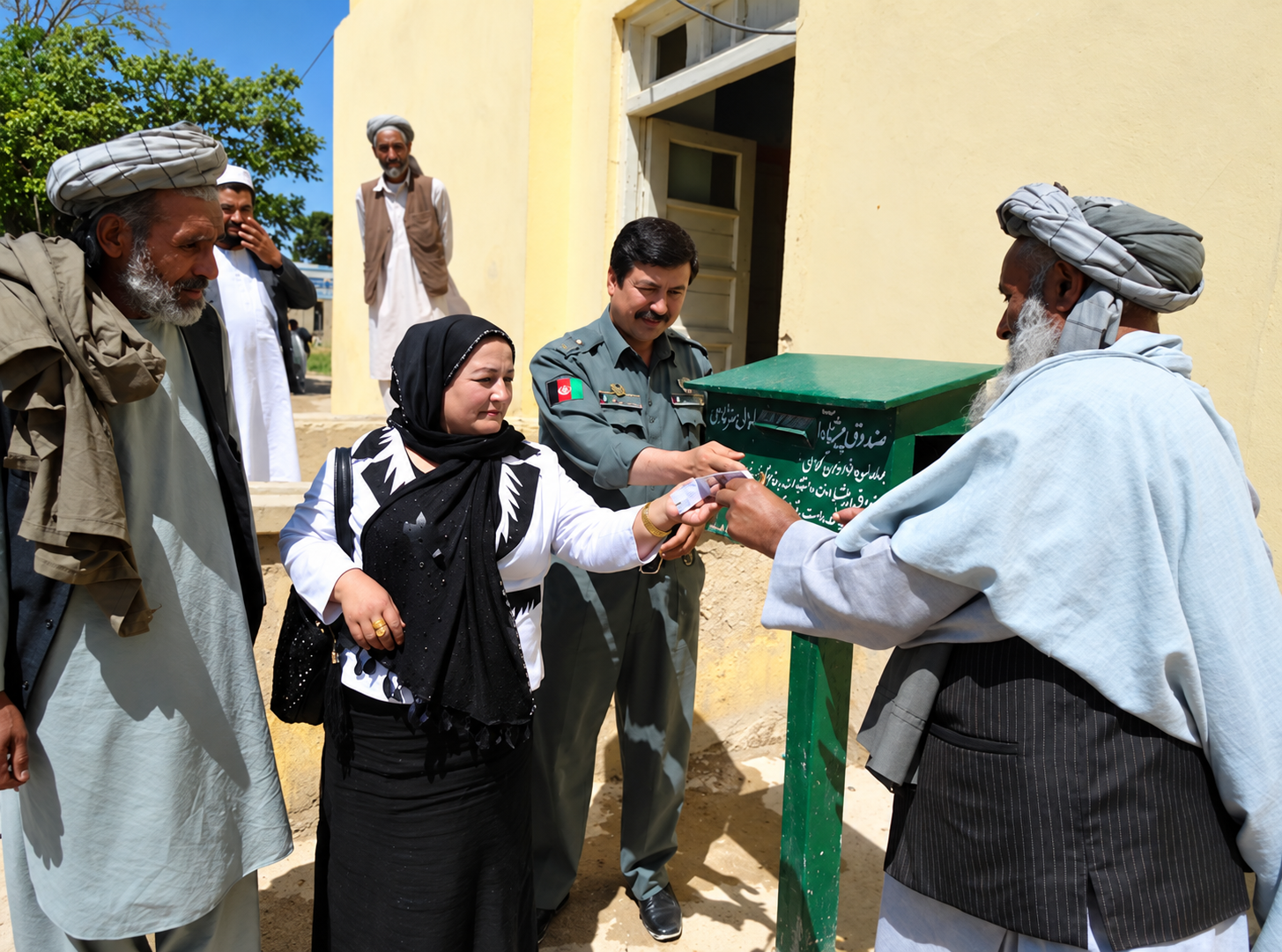
The project investigated how the police could communicate with local communities and address concerns affecting women, young people and other vulnerable groups.
-
The researchers examined how information and communication technologies could support police-community relations, improve service delivery and address data-integrity challenges.
-
Insecurity restricted researchers’ movement in Kabul, so interviews had to be conducted in secure locations and at suitable times.
The project also examined the Police-e-Mardumi (PeM) community-policing approach. The South Asia contextual assessment describes community councils involving elders, religious representatives, women, youth, students and police personnel. These councils provided a way to discuss security concerns, gender-based violence, school safety, substance abuse and other local problems.