

Pakistan
Photo by Muhammad Khubaib Sarfraz on Unsplash
ICT4COP in Pakistan
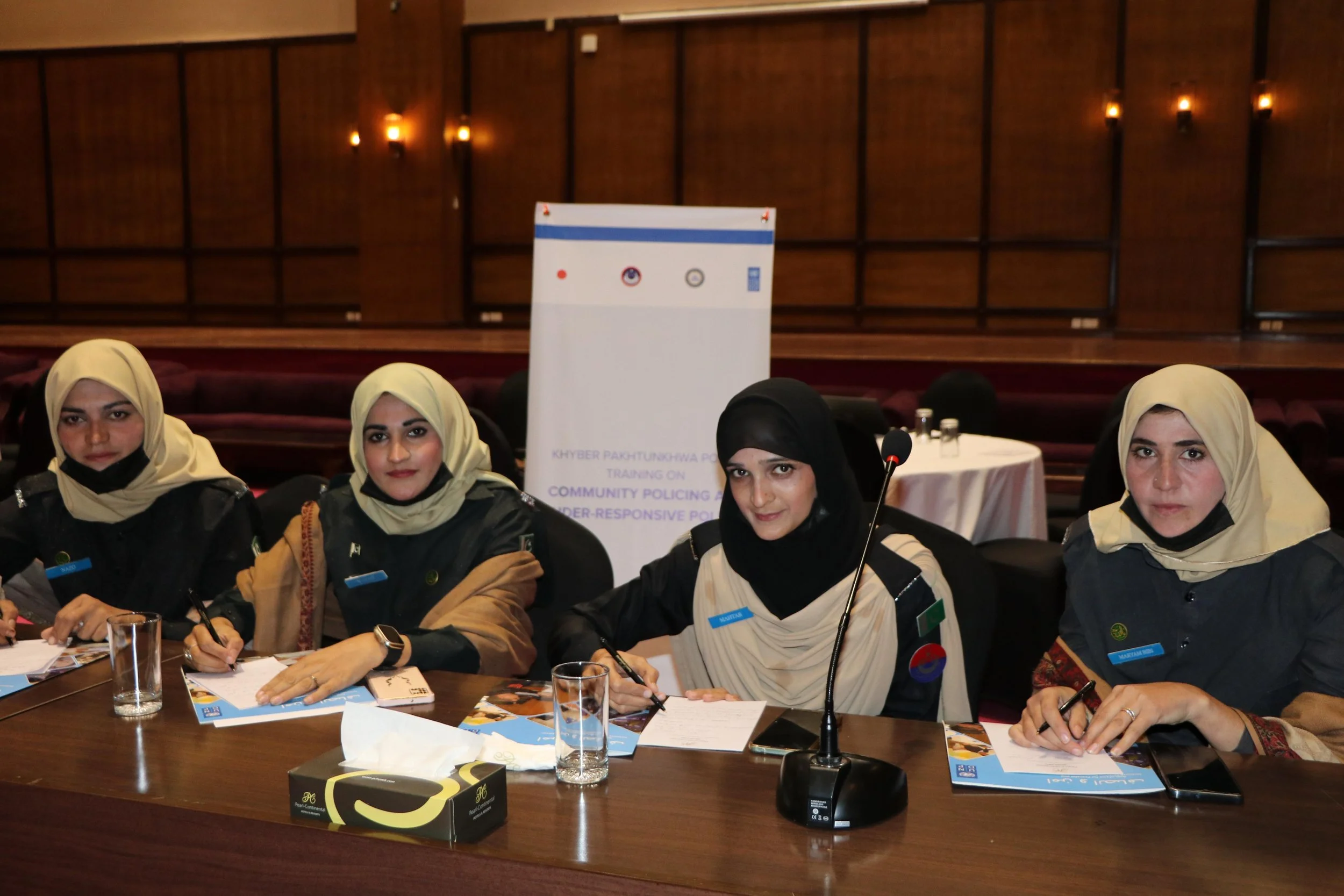
ICT4COP explored how community-oriented policing and information and communication technologies (ICTs) could improve responses to gender-based violence. Focusing on women and girls in Peshawar and Nowshera, the research examined barriers to accessing support and the challenges faced by institutions working to address gender-based violence.
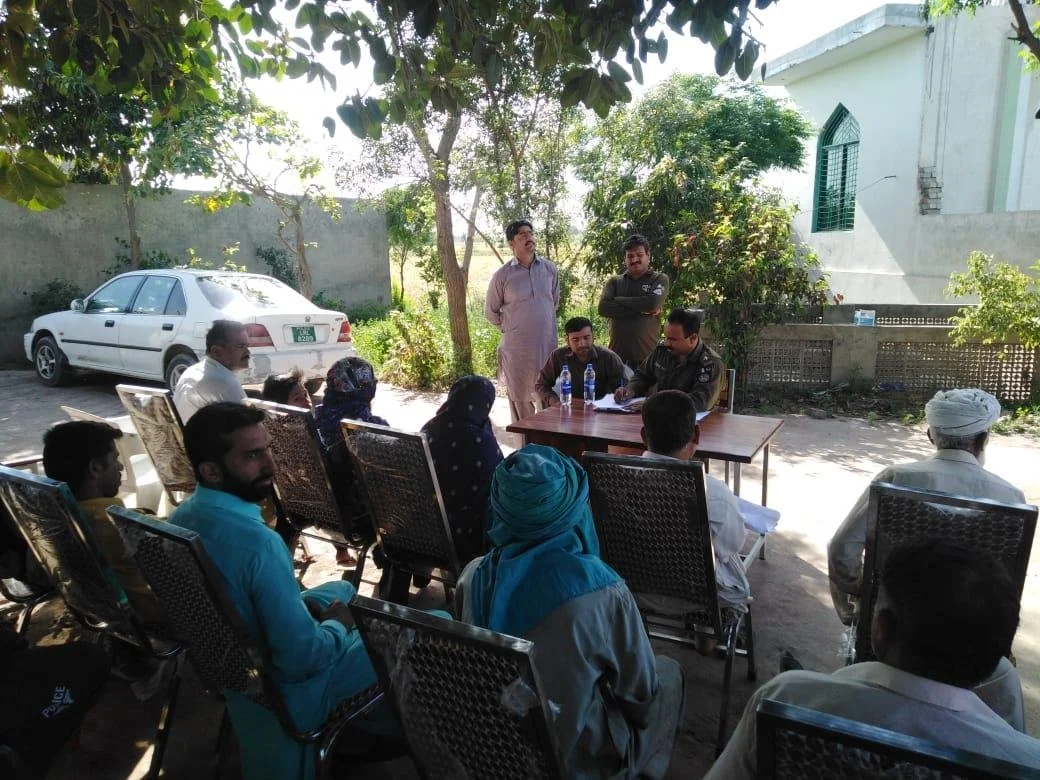
The project brought together police, NGOs, healthcare providers, and other stakeholders to better understand gaps in information-sharing and access to support services. It also explored the potential of community radio and other information technologies to raise awareness of women's rights and available assistance.
Through its research and stakeholder engagement, ICT4COP developed insights and recommendations on how stronger collaboration and more accessible information could support more responsive, community-oriented policing.
Key points:
-
The team interviewed police officials, policymakers, civil-society organizations and other stakeholders involved in democratic police reform and community policing.
-
Research activities included collaboration with COMSATS Institute of Information Technology (CIIT) and meetings with organizations advocating more accountable policing.
-
The researchers investigated how police and communities could work together to address insecurity and improve public confidence. The contextual assessment discusses Public Liaison Councils (PLCs) in Khyber Pakhtunkhwa
-
The project considered technology's potential to improve communication, reporting, accountability and community engagement, while examining data integrity and related risks
-
Research addressed the experiences of women, children, young people and minorities, including their particular difficulties in dealing with the police.
-
Researchers discussed how findings could inform police training and education, including engagement with the Forum for Democratic Policing and other relevant organizations.n
The contextual assessment describes reforms in Khyber Pakhtunkhwa aimed at improving police service delivery and shifting from reactive policing towards problem-solving. It also discusses revised pay scales for lower-ranking officers as one measure intended to improve morale.