
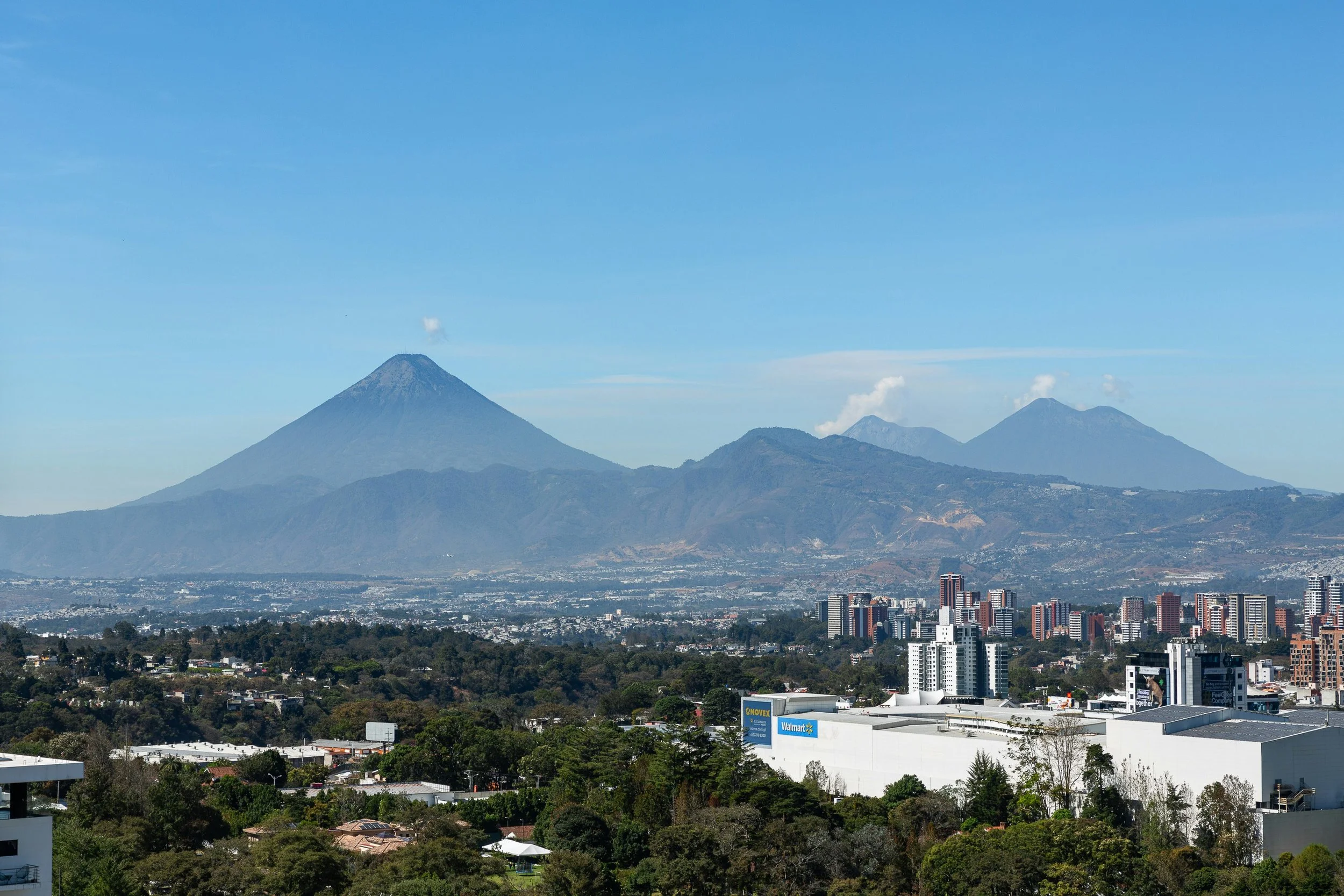
Guatemala
Photo by Juan Jose Estrada on Unsplash
ICT4COP in Guatemala
ICT4COP explored how information and communication technologies (ICTs) could help institutions work together to address gender-based violence, particularly violence affecting Indigenous women.
The project developed a pilot using DHIS2, a free and open-source digital platform, to visualize data on gender-based violence collected by five public institutions and two civil society organizations in the departments of Sololá and Santa Rosa. The participating stakeholders included the civil police, local municipalities, the Human Rights Ombudsperson's Office, the Attorney General's Office, the Office for the Defence of Indigenous Women (DEMI), and the NGO Population Council.
The visualizations were presented in workshops to help institutions compare information, discuss the scale and nature of gender-based violence, and develop a shared understanding of their responsibilities. The project aimed to use data as a starting point for dialogue, coordination, and greater accountability among organizations working to protect women.
ICT4COP's experience highlighted how digital tools can support collaboration and coordinated responses when they are embedded in existing institutions and local partnerships, rather than used as standalone technologies.
Key points:
Produced a baseline study on the history and development of policing in Guatemala.
Examined police reform following the 1996 Peace Accords and the legacy of the country's civil war.
Investigated community-policing approaches in the context of corruption, authoritarian rule and political crisis.
Conducted qualitative research in Guatemala City and the rural district of Sololá, including interviews and focus groups with police, local government, civil society and international organizations.
Examined the National Civilian Police's community-oriented initiatives, including the Plan Cuadrante (block-based or quadrant-based preventative patrolling) and the Police Model for Integrated Community Security.
Engaged with police institutions and international partners, including the National Civilian Police and the Japan International Cooperation Agency (JICA), to discuss community-policing models and reforms.
Guatemala's work examined the historical and institutional barriers to sustainable community policing and assessed how police reform initiatives were being developed and applied at local level.